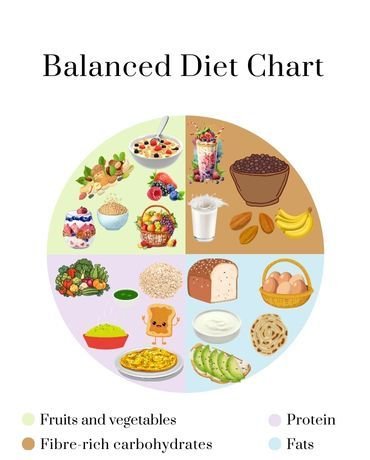
Maintaining a healthy lifestyle often starts with what’s on your plate. A balanced diet isn’t about strict restrictions or giving up the foods you love—it’s about creating a sustainable way of eating that fuels your body, supports your health, and fits your lifestyle. The key to success? A well-thought-out meal plan that works for you, not against you.
In this post, we’ll break down how to design a practical and enjoyable meal plan to help you live The Balanced Diet Life every day.
1. Understand What a Balanced Diet Really Means
A balanced diet provides your body with the nutrients it needs to function optimally. This includes:
-
Carbohydrates – Your body’s main energy source. Choose whole grains, fruits, and vegetables over refined sugars.
-
Proteins – Essential for building and repairing tissues. Lean meats, poultry, fish, beans, and tofu are great sources.
-
Fats – Healthy fats are vital for hormone production and brain function. Focus on avocados, nuts, seeds, and olive oil.
-
Vitamins & Minerals – Found in fruits, vegetables, dairy, and fortified foods.
-
Fiber – Supports digestion and keeps you feeling full longer.
Aim for variety. No single food provides all the nutrients your body needs.
2. Assess Your Goals and Lifestyle
Before planning, ask yourself:
-
Are you trying to lose weight, maintain it, or gain muscle?
-
Do you have dietary restrictions (vegan, gluten-free, low-sodium)?
-
What’s your cooking skill level and time availability?
Your goals will determine calorie needs, portion sizes, and the types of foods to focus on. For example, someone training for a marathon will require more carbohydrates and protein than someone aiming for gentle weight loss.
3. Choose the Right Meal Planning Method
Meal planning isn’t one-size-fits-all. Common approaches include:
-
Weekly Batch Cooking – Prepare and store meals in bulk for the week.
-
Daily Fresh Cooking – Ideal if you have time to prepare each meal.
-
Theme Nights – Assign themes like “Meatless Monday” or “Fish Friday” to simplify decisions.
-
Mix-and-Match – Prepare separate proteins, veggies, and grains to combine in different ways throughout the week.
Pick the method that fits your schedule and keeps you consistent.
4. Build a Balanced Plate
One of the easiest frameworks to follow is the Plate Method:
-
½ plate – Non-starchy vegetables (broccoli, spinach, peppers, cucumbers)
-
¼ plate – Lean protein (chicken, fish, beans, eggs)
-
¼ plate – Healthy carbs (brown rice, quinoa, sweet potato)
Add healthy fats in moderation—such as a drizzle of olive oil or a few slices of avocado.
This approach ensures portion control and nutrient balance without complicated calorie counting.
5. Incorporate Variety to Prevent Boredom
Eating the same meals every day can make you lose motivation. Rotate your fruits, vegetables, proteins, and spices to keep meals exciting. For example:
-
Swap chicken for salmon or tofu.
-
Change up vegetables seasonally.
-
Try different herbs and marinades for flavor without extra calories.
6. Plan Snacks Wisely
Snacks can either support your goals or sabotage them. Instead of mindlessly eating chips or sweets, choose nutrient-rich snacks like:
-
Greek yogurt with berries
-
Raw nuts and seeds
-
Hummus with veggie sticks
-
Apple slices with almond butter
These options help maintain energy levels and prevent overeating at mealtimes.
7. Make a Grocery List and Stick to It
A meal plan is only as good as your shopping habits. Create a list based on your planned meals, and try to avoid impulse purchases—especially processed snacks and sugary drinks. Stick to the perimeter of the store, where fresh produce, proteins, and whole foods are usually located.
8. Prep Ahead to Save Time
Dedicate a few hours once or twice a week to wash, chop, and store ingredients. Cooking grains, roasting vegetables, or marinating proteins ahead of time makes it easier to stick to your plan—especially on busy days.
9. Stay Flexible
Life happens—plans change, events come up, or you might just crave something different. A successful meal plan allows room for flexibility without guilt. If you eat out one night, adjust the next day’s meals to stay balanced.
10. Track and Adjust
As you follow your meal plan, monitor your energy levels, mood, and overall health. If you feel tired or unsatisfied, tweak portion sizes or nutrient ratios. A balanced diet is a living plan—it should evolve with your needs.
Final Thoughts
Living The Balanced Diet Life is about making mindful food choices that nourish your body and mind—without stress or deprivation. By understanding nutrition, setting realistic goals, and creating a flexible, varied meal plan, you can enjoy healthy eating every day.
Remember: the best meal plan is the one you can stick to long-term. Start small, make gradual changes, and soon, healthy eating will feel effortless.