Building a balanced plate is one of the easiest and most effective ways to eat well without stress. Instead of counting calories or obsessing over every bite, you can focus on what you’re eating and how it supports your energy, digestion, and overall wellness. The Balanced Diet Life is all about making nutritious choices that are sustainable, satisfying, and enjoyable.
Here’s how to build a balanced plate—step by step—for everyday meals that fuel your body and keep you feeling great.
1. Start with Non-Starchy Vegetables (½ of Your Plate)
Vegetables are the foundation of a balanced plate. They’re low in calories but packed with fiber, vitamins, minerals, and antioxidants. Aim to fill at least half of your plate with colorful, non-starchy veggies like:
-
Broccoli
-
Spinach
-
Zucchini
-
Bell peppers
-
Cauliflower
-
Cabbage
These foods help keep you full, support your digestive system, and reduce inflammation.
2. Add Lean Protein (¼ of Your Plate)
Protein is essential for muscle repair, hormone balance, and staying full longer. Include one source of lean or plant-based protein in every meal, such as:
-
Grilled chicken or turkey
-
Fish like salmon or tuna
-
Eggs
-
Tofu or tempeh
-
Beans, lentils, or chickpeas
-
Low-fat dairy like Greek yogurt
Protein also helps prevent energy crashes and controls blood sugar levels.
3. Include Fiber-Rich Carbohydrates (¼ of Your Plate)
Carbohydrates often get a bad reputation, but they’re crucial for energy—especially when they come from fiber-rich, whole food sources. Look for complex carbs that digest slowly, like:
-
Brown rice
-
Quinoa
-
Sweet potatoes
-
Oats
-
Whole grain bread or pasta
-
Fruits like berries or apples
These help you stay full longer and avoid blood sugar spikes.
4. Don’t Forget Healthy Fats
Healthy fats are a key part of a balanced plate, even if they don’t take up a large portion. They support brain function, hormone health, and nutrient absorption. Add healthy fats like:
-
Avocado slices
-
Olive oil drizzle
-
Nuts or seeds
-
Fatty fish
-
Nut butters
Stick to small portions, as fats are calorie-dense, but don’t avoid them—they’re essential for balance.
5. Add Flavor Without Extra Calories
Instead of relying on heavy sauces or added sugar, use herbs, spices, lemon juice, or vinegar to boost flavor. This keeps meals interesting and nutrient-dense.
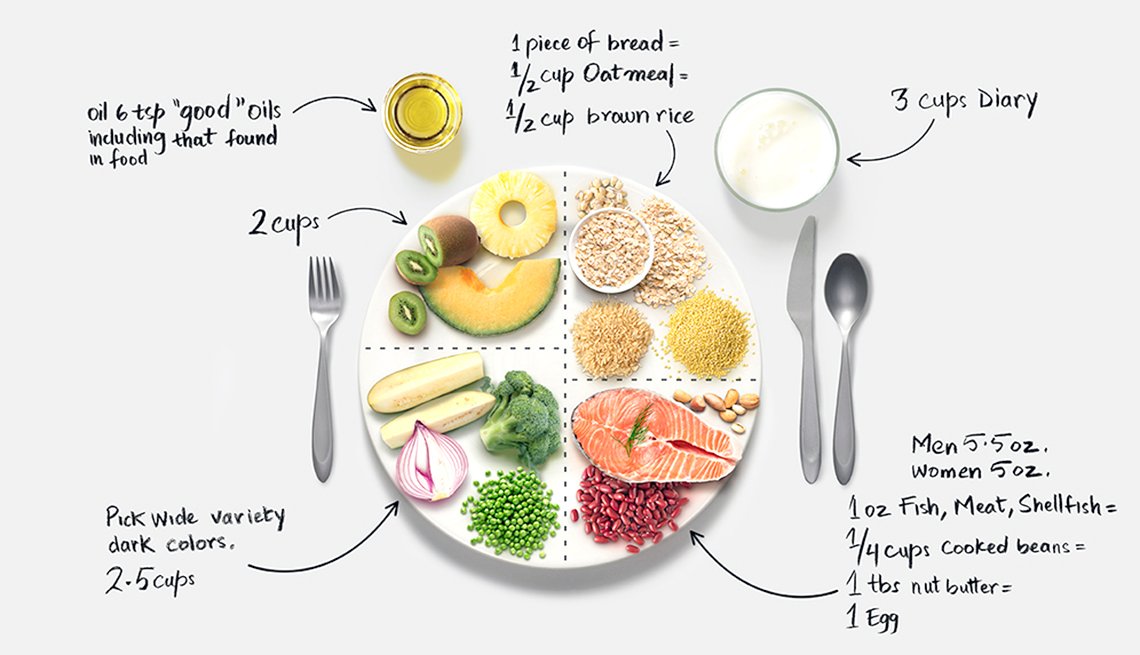
Visual Tip: Use the Plate Method
Imagine your plate divided into three sections:
-
50% veggies
-
25% lean protein
-
25% healthy carbs
Plus a small serving of healthy fats on the side or incorporated.
This method is simple, visual, and adaptable for any cuisine or dietary need.
Final Thoughts
Creating a balanced plate isn’t about perfection—it’s about forming a consistent habit that makes you feel your best. Once you get the hang of this approach, meal planning becomes easier, your energy levels improve, and healthy eating becomes second nature.
So, the next time you prepare a meal, ask yourself: Does this plate support my health, fuel my body, and satisfy my hunger? If the answer is yes—you’re living the Balanced Diet Life.