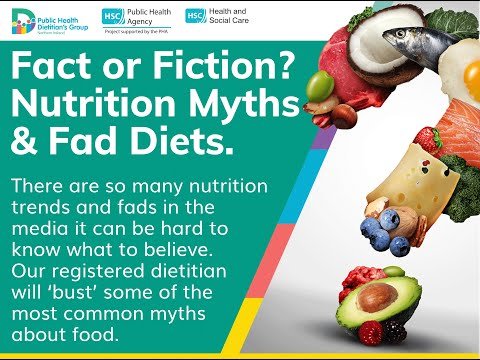
When it comes to healthy eating, there’s no shortage of advice—and confusion. From social media trends to restrictive fads, it can be hard to know what’s science-based and what’s just hype. The Balanced Diet Life stands on solid nutritional ground, built on real research and practical habits that support long-term health.
Let’s break down the science behind this approach and clear up some of the most common myths about balanced eating.
What Is the Balanced Diet Life—Scientifically Speaking?
The Balanced Diet Life isn’t a diet at all—it’s a sustainable way of eating that focuses on nutrient density, moderation, and variety. According to organizations like the World Health Organization (WHO) and the Harvard T.H. Chan School of Public Health, a balanced diet should include:
-
A mix of macronutrients: proteins, carbohydrates, and fats
-
A variety of micronutrients: vitamins and minerals from whole foods
-
Plenty of fiber and water
-
Limited added sugar, sodium, and ultra-processed ingredients
This balance provides your body with the fuel it needs for energy, immune function, mental focus, and disease prevention.
Fact: Your Body Needs All Macronutrients
One major myth in dieting culture is that you should cut out carbs or fats entirely. In reality, your body needs carbohydrates for energy, fats for brain and hormone function, and protein for tissue repair and muscle growth.
What matters isn’t avoiding macronutrients—it’s choosing the right kinds:
-
Complex carbs (like oats and quinoa) over simple sugars
-
Healthy fats (like olive oil and avocado) over trans fats
-
Lean or plant-based proteins over processed meats
Myth: Healthy Eating Means Eating Less
Many people associate “eating healthy” with eating small portions or skipping meals. But under-eating can backfire, leading to fatigue, slowed metabolism, and binge eating later on.
The science supports eating enough to meet your body’s energy needs—and spacing meals to maintain stable blood sugar. A balanced meal keeps you full longer, making it easier to avoid cravings and make better choices throughout the day.
Fact: Fiber Is a Game-Changer
A fiber-rich diet—full of fruits, vegetables, legumes, and whole grains—supports digestion, stabilizes blood sugar, and even lowers cholesterol. Most people don’t get enough fiber. The Balanced Diet Life places fiber front and center, improving not just your gut health but your overall wellness.
Myth: You Must Be 100% Clean to Be Healthy
One of the most damaging myths is that health requires perfection. Science shows that long-term consistency matters more than short-term intensity. The 80/20 rule—eating nutritious foods 80% of the time and allowing room for enjoyment 20% of the time—is proven to support a sustainable lifestyle.
Final Thoughts
The Balanced Diet Life isn’t built on trends—it’s grounded in real nutrition science. By focusing on balance instead of extremes, you’ll feel better, perform better, and reduce your risk of disease without the stress and guilt that often comes with dieting.
Remember: your body is designed to thrive on real food, not restrictions. When science guides your choices, balance becomes a lifestyle—not a struggle.