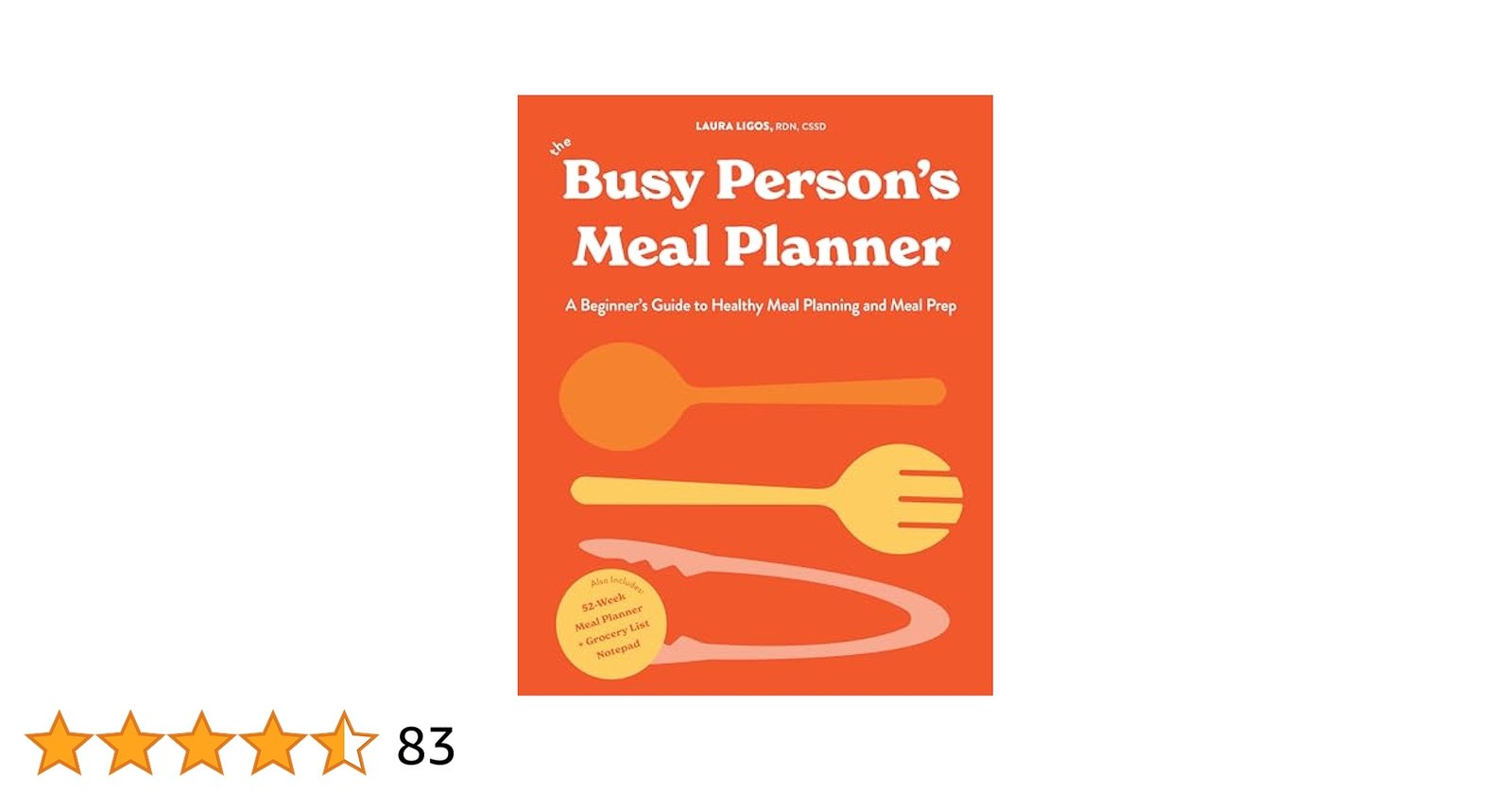
One of the biggest challenges to healthy eating is time. Between work, family, and daily responsibilities, finding the energy to cook balanced meals every day can feel impossible. That’s where meal planning becomes a game-changer—especially if you’re striving to live the Balanced Diet Life.
Meal planning not only saves time and money, but it also ensures your meals are nourishing, satisfying, and stress-free. Whether you’re cooking for one or feeding a family, this guide will help you plan a week of balanced meals without the overwhelm.
Step 1: Set Your Weekly Intentions
Before you start planning, think about your week. Ask yourself:
-
How many meals do I need to prepare?
-
What nights will be busy or require something quick?
-
Are there leftovers I can use?
Write down your schedule so you can match your meals to your lifestyle.
Step 2: Follow the Balanced Plate Formula
Each meal should include:
-
½ vegetables or fruits
-
¼ lean protein (like chicken, fish, tofu, or beans)
-
¼ healthy carbs (like brown rice, quinoa, sweet potato)
-
+ a small amount of healthy fat (like olive oil, nuts, or avocado)
This simple formula makes planning meals easier and ensures you’re getting a balance of nutrients.
Step 3: Choose 2–3 Breakfasts, Lunches, and Dinners
Don’t overcomplicate things. Choose a few meals you can rotate during the week. For example:
Breakfast ideas:
-
Overnight oats with fruit and nuts
-
Scrambled eggs with whole grain toast and spinach
-
Greek yogurt with chia seeds and berries
Lunch ideas:
-
Chicken quinoa bowl with veggies and tahini dressing
-
Tuna salad wrap with side of carrot sticks
-
Lentil soup with a slice of whole grain bread
Dinner ideas:
-
Stir-fried veggies with tofu and brown rice
-
Baked salmon with sweet potato and green beans
-
Turkey chili with a side salad
Make enough to enjoy leftovers the next day or freeze extra portions.
Step 4: Create a Master Grocery List
Once your meals are chosen, list the ingredients you’ll need. Organize them by category—produce, protein, grains, pantry items. This saves time at the store and reduces impulse buying.
Pro tip: Check your fridge and pantry before shopping to avoid duplicates and waste.
Step 5: Prep What You Can Ahead
Set aside an hour or two on the weekend to wash, chop, or cook ahead:
-
Roast a tray of vegetables
-
Cook a batch of brown rice or quinoa
-
Portion out snacks like nuts or cut fruit
-
Make salad dressings or sauces
This cuts down on midweek stress and helps you stay on track.
Final Thoughts
Meal planning for the Balanced Diet Life isn’t about perfection—it’s about preparation. A little planning upfront leads to better choices, more variety, and less reliance on takeout or ultra-processed food.
With a simple plan and smart prep, you can enjoy balanced, delicious meals all week long—no matter how busy life gets.