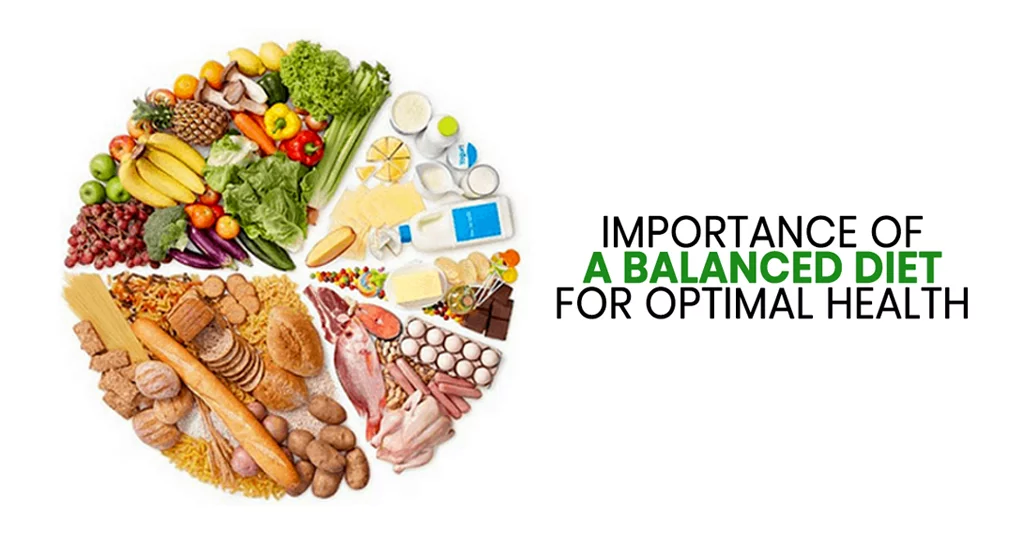
In a world full of trendy diets that demonize one food group or another, it’s easy to forget that your body thrives on balance, not extremes. Protein, carbohydrates, and fats—known as macronutrients—are all essential for your health. Understanding how to balance them is a core part of the Balanced Diet Life and one of the smartest steps you can take toward long-term wellness.
Let’s break down each macronutrient, what it does, and how to create balance on your plate every day.
1. Protein: The Body’s Building Block
Protein plays a crucial role in repairing tissues, building muscles, supporting immune health, and keeping you full. Your body doesn’t store protein like it does fat or carbs, so you need to include it in your meals regularly.
Best sources of protein:
-
Animal-based: chicken, turkey, fish, eggs, low-fat dairy
-
Plant-based: lentils, chickpeas, tofu, tempeh, quinoa, edamame
How much do you need?
Most adults need around 0.8 to 1.2 grams of protein per kilogram of body weight daily. This can vary depending on your activity level, age, and goals.
2. Carbohydrates: Your Primary Energy Source
Carbs are often misunderstood, but they are your body’s preferred fuel—especially for your brain and muscles. What matters most is the type of carbohydrates you eat.
Choose complex, fiber-rich carbs:
-
Whole grains (brown rice, oats, quinoa)
-
Vegetables (especially starchy ones like sweet potatoes)
-
Fruits (berries, apples, bananas)
-
Legumes (beans, lentils, peas)
Avoid or limit refined carbs like white bread, sugary snacks, and soda, which can spike blood sugar and lead to energy crashes.
How much do you need?
Carbs should make up about 40–50% of your daily intake. However, focusing on quality over quantity is key.
3. Fats: Essential, Not Evil
Fats are vital for hormone production, brain health, cell function, and the absorption of fat-soluble vitamins (A, D, E, and K). The Balanced Diet Life encourages healthy fats while limiting harmful ones.
Healthy fats to include:
-
Avocados
-
Olive oil
-
Nuts and seeds
-
Fatty fish like salmon or sardines
Avoid trans fats (found in some processed snacks) and minimize saturated fats from fried or overly processed foods.
How much do you need?
Fat should make up around 25–30% of your total daily calories. A little goes a long way, as fats are calorie-dense.
Putting It All Together: A Balanced Plate
When building a balanced meal, aim for:
-
¼ plate protein
-
¼ plate fiber-rich carbs
-
½ plate non-starchy vegetables
-
+ 1–2 tablespoons of healthy fats
This combo keeps you full, energized, and satisfied, without the need to count every calorie or cut out entire food groups.
Final Thoughts
Balancing protein, carbs, and fats is not about restriction—it’s about fueling your body intelligently. The Balanced Diet Life isn’t a trend; it’s a framework that respects your body’s needs and helps you feel your best—every single day.
Embrace variety, focus on whole foods, and aim for balance. Your body will thank you for it.