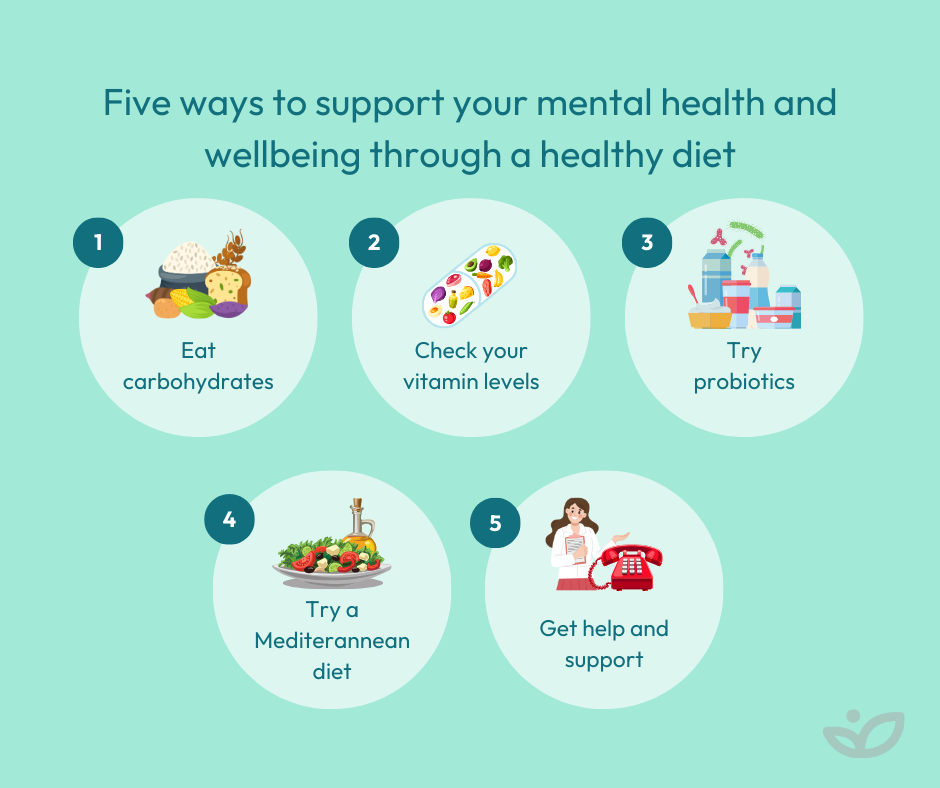
When we think about nutrition, we often focus on physical outcomes—weight, energy, immunity, and heart health. But what we eat also has a profound impact on our mental and emotional well-being. In fact, the connection between a balanced diet and a balanced mind is stronger than ever, according to growing research in the fields of nutritional psychiatry and holistic health.
Living the Balanced Diet Life isn’t just about looking good—it’s about feeling good, too. Here’s how balanced nutrition plays a key role in supporting mental health and creating a more centered, fulfilling life.
1. Food and Mood: The Brain-Gut Connection
Your gut and your brain are deeply connected through what’s known as the gut-brain axis. This two-way communication system is influenced by your gut microbiome—the trillions of bacteria living in your digestive tract. These microbes affect neurotransmitter production, inflammation levels, and stress responses.
A diet high in fiber, probiotics, and antioxidants (from fruits, vegetables, legumes, and fermented foods) helps keep your gut—and therefore your mind—balanced and resilient.
2. Stabilizing Blood Sugar for Emotional Stability
Highly processed, sugary foods cause blood sugar spikes followed by crashes, which can lead to irritability, fatigue, and even symptoms of anxiety. In contrast, eating a balance of complex carbohydrates, healthy fats, and lean protein helps maintain stable blood sugar throughout the day.
When your blood sugar is balanced, your mood tends to follow. You feel more in control, calm, and focused.
3. Key Nutrients That Support Mental Wellness
Several nutrients found in whole foods are directly linked to improved mental health:
-
Omega-3 fatty acids (found in fatty fish, flaxseeds, and walnuts) support brain function and reduce inflammation, which is linked to depression and anxiety.
-
Magnesium (found in leafy greens, seeds, and legumes) can help regulate stress and improve sleep.
-
B-vitamins (especially B6, B12, and folate) support mood regulation and energy production.
-
Iron and zinc deficiencies are associated with fatigue and poor concentration.
The Balanced Diet Life naturally includes these nutrients by focusing on variety and whole food sources.
4. Mindful Eating Reduces Stress and Guilt
The Balanced Diet Life promotes flexibility, not perfection. This mindset shift—away from restrictive or emotional eating—helps reduce guilt, anxiety, and shame around food. You learn to trust your body, enjoy your meals, and make choices that feel good both physically and emotionally.
5. Food as a Daily Act of Self-Care
Eating balanced meals isn’t just a task on your to-do list—it’s a form of self-respect. When you consistently nourish yourself with real, wholesome foods, you send a message to your body and brain: “I matter.” That affirmation alone has a powerful effect on mental health.
Final Thoughts
A balanced diet doesn’t just nourish your body—it nurtures your mind. By choosing foods that support brain health, managing blood sugar, and practicing mindful, compassionate eating, you build a stronger foundation for emotional resilience.
Because at the heart of the Balanced Diet Life is this truth: when you feed your body well, your whole life becomes more balanced.