You may be trying to eat healthier—grabbing a protein bar instead of a donut, choosing a low-fat yogurt over ice cream, or drinking diet soda instead of regular. But here’s the catch: not all “healthy” foods are truly clean. Many processed and packaged items contain hidden toxins, additives, and chemicals that can sabotage your wellness goals without you even realizing it.
Understanding the difference between “clean” and “dirty” foods is essential to making smarter choices that support your long-term health. In this post, we’ll break down what to watch out for and how to spot hidden toxins on your plate.
What Are Hidden Toxins?
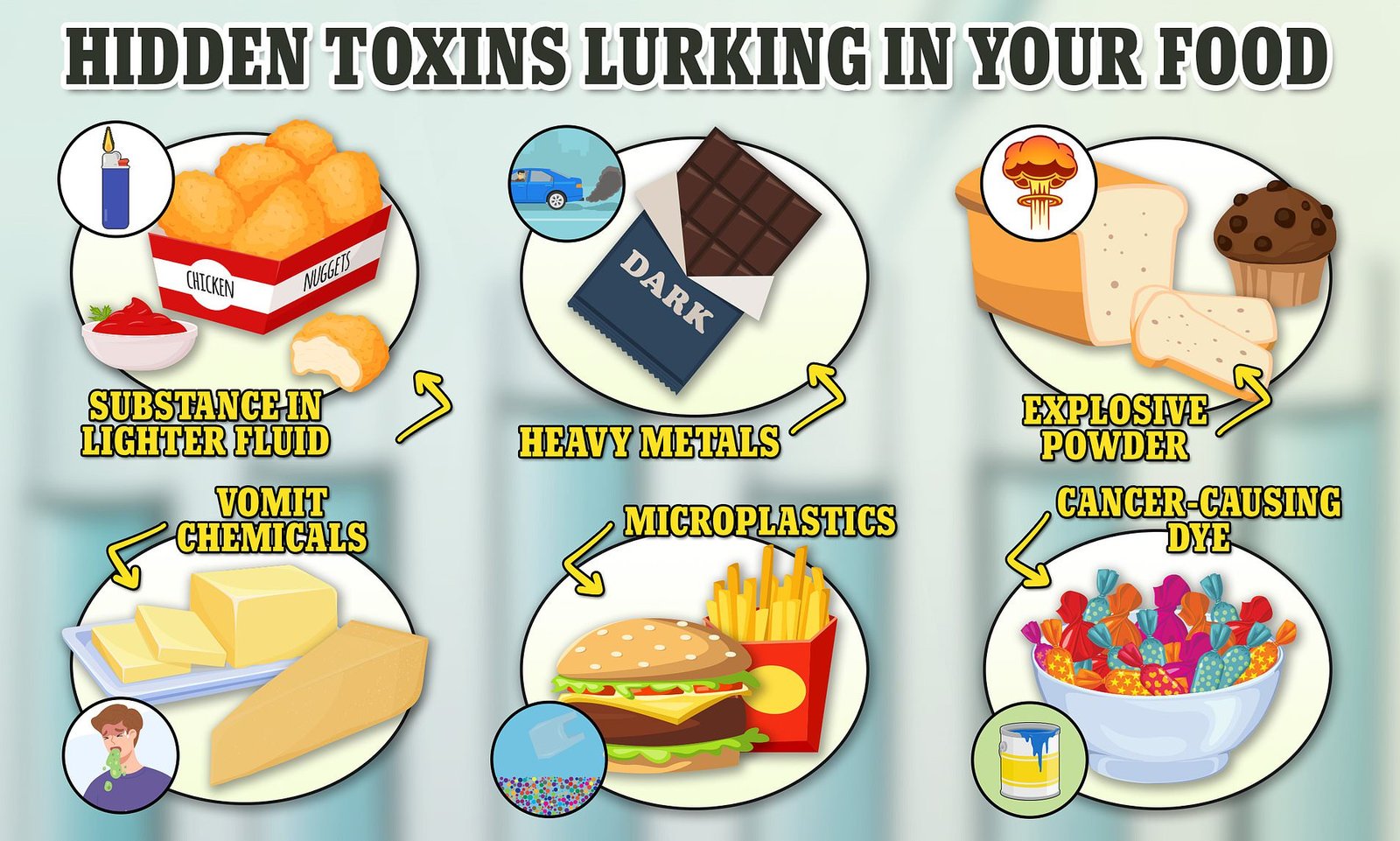
Hidden toxins are harmful substances that may be added to food during processing, packaging, or growing. These include:
-
Artificial preservatives
-
Food dyes
-
Synthetic sweeteners
-
High-fructose corn syrup
-
Pesticide residues
-
MSG (monosodium glutamate)
-
Industrial seed oils (like canola and soybean oil)
Over time, consuming these chemicals can contribute to inflammation, hormone imbalance, digestive issues, and even chronic diseases.
Clean vs. Dirty: Key Differences
✅ Clean Foods
-
Whole, natural ingredients
-
Fresh or minimally processed
-
No artificial additives or preservatives
-
Organic or locally grown when possible
-
Free from refined sugars and unhealthy fats
❌ Dirty Foods
-
Processed and packaged with long ingredient lists
-
Contain hidden sugars, sodium, or additives
-
Artificial colors and flavors
-
May be grown with heavy pesticides
-
Often marketed as “healthy” but packed with chemicals
5 Ways to Spot Dirty Ingredients in Your Food
1. Read the Ingredient List, Not Just the Label
Ignore front-of-package claims like “natural,” “low-fat,” or “sugar-free.” Flip the product over and read the full ingredient list. If there are ingredients you can’t pronounce or wouldn’t use at home, it’s likely not clean.
2. Beware of Hidden Sugars
Sugar hides under names like corn syrup, dextrose, maltodextrin, and cane juice. Clean foods don’t contain added sugars or sweeteners where they don’t belong—like in bread, sauces, or nut butters.
3. Watch for Food Dyes and Additives
Look out for terms like Red 40, Yellow 5, BHT, and TBHQ—these are artificial dyes and preservatives linked to behavioral and health issues.
4. Know the Dirty Dozen
Every year, the Environmental Working Group (EWG) publishes a “Dirty Dozen” list of produce with the highest pesticide levels. Try to buy organic versions of these foods (like strawberries, spinach, and apples) when possible.
5. Avoid Industrial Oils
Oils like corn, soybean, and vegetable oil are cheap, highly processed, and inflammatory. Choose clean fats like olive oil, avocado oil, or coconut oil instead.
Final Thoughts
Clean eating isn’t just about calories or carbs—it’s about the quality of your food. When you become more aware of hidden toxins in your everyday meals, you can make better choices that nourish, energize, and protect your body long-term.
Small changes—like reading labels, choosing whole ingredients, and avoiding artificial additives—can have a big impact over time. Your health is worth the extra attention.