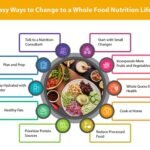
Shifting from unhealthy eating habits to a balanced diet can feel overwhelming, especially if fast food, processed snacks, or sugary drinks have been part of your daily routine for years. The good news? You don’t have to make drastic changes overnight. By taking small, intentional steps, you can gradually transform your eating habits into a lifestyle that supports your health, energy, and overall well-being.
Step 1: Understand What a Balanced Diet Means
Before making any changes, it’s important to define what a balanced diet is. A balanced diet provides your body with all the essential nutrients—macronutrients (proteins, carbohydrates, fats) and micronutrients (vitamins and minerals)—in the right proportions.
This usually includes:
-
Fruits and vegetables for vitamins, minerals, and fiber
-
Whole grains for sustained energy
-
Lean proteins like chicken, fish, legumes, or tofu
-
Healthy fats such as olive oil, avocados, nuts, and seeds
-
Adequate hydration from water and other low-calorie beverages
Once you understand these basics, you can start replacing unhealthy choices with healthier alternatives.
Step 2: Start with Small, Manageable Changes
One of the biggest mistakes people make is trying to overhaul their diet all at once. This often leads to frustration and relapse into old habits. Instead, begin by focusing on one or two changes each week.
For example:
-
Swap soda for sparkling water or herbal tea.
-
Replace white bread with whole-grain bread.
-
Add a serving of vegetables to your lunch and dinner.
Small wins create momentum, making the transition less intimidating.
Step 3: Reduce Processed and Sugary Foods Gradually
Highly processed foods, sugary snacks, and fried meals are often high in calories but low in nutrients. You don’t have to cut them out completely from day one, but start reducing how often you eat them.
-
Instead of eating chips daily, enjoy them once a week as a treat.
-
Replace candy bars with fresh fruit or dark chocolate.
-
Opt for baked or air-fried versions of your favorite fried foods.
Your taste buds will adapt over time, and you’ll begin to crave healthier options.
Step 4: Meal Prep to Avoid Last-Minute Unhealthy Choices
One of the biggest reasons people turn to unhealthy food is convenience. If you’re tired, hungry, and have nothing ready to eat, fast food becomes an easy option. Meal prepping solves this problem.
Here’s how to start:
-
Choose one or two days a week to cook in bulk.
-
Prepare proteins (like grilled chicken or boiled eggs), whole grains, and chopped vegetables ahead of time.
-
Store meals in portion-sized containers for quick grab-and-go options.
Having healthy food ready makes it easier to stick to your balanced diet goals.
Step 5: Learn to Read Nutrition Labels
When transitioning to healthier eating, understanding what’s in your food is essential. Pay attention to:
-
Serving sizes (so you know how much you’re actually consuming)
-
Added sugars (limit them as much as possible)
-
Sodium content (too much can raise blood pressure)
-
Types of fats (avoid trans fats, and limit saturated fats)
Being an informed shopper helps you make better choices.
Step 6: Practice Mindful Eating
Unhealthy eating often comes from mindless snacking—grabbing chips while watching TV or eating sweets when stressed. Mindful eating helps you slow down and pay attention to your body’s hunger cues.
Tips for mindful eating:
-
Eat without distractions like phones or TV.
-
Chew slowly and savor each bite.
-
Stop eating when you’re satisfied, not overly full.
This helps prevent overeating and improves digestion.
Step 7: Stay Consistent but Flexible
Life happens—you’ll have parties, dinners out, or days when cooking isn’t possible. The key is not to let one indulgence derail your progress. If you enjoy a slice of cake at a birthday party, balance it out with healthier meals the rest of the day. A balanced diet is about progress, not perfection.
Step 8: Seek Support and Accountability
Having friends, family, or even online communities to share your progress can help you stay motivated. You can exchange recipe ideas, celebrate wins, and support each other through challenges.
Final Thoughts
Transitioning from unhealthy eating to the balanced diet life isn’t about strict restrictions—it’s about building a lifestyle you can enjoy and maintain. By making gradual changes, planning ahead, and being mindful of your food choices, you’ll find yourself with more energy, better health, and a positive relationship with food.