In today’s fast-paced world filled with fad diets, conflicting nutrition advice, and unrealistic health expectations, the idea of living a Balanced Diet Life can feel both vague and overwhelming. Yet, it’s one of the most sustainable and empowering approaches to lifelong wellness. But what exactly does it mean—and why does it matter?
What Is the Balanced Diet Life?
At its core, the Balanced Diet Life is about creating harmony between what you eat and how it supports your overall health—physically, mentally, and emotionally. It’s not about restriction or rigid rules. It’s about variety, moderation, and listening to your body.
A balanced diet includes a wide range of whole foods—fruits, vegetables, lean proteins, whole grains, healthy fats, and plenty of water. It also makes space for enjoyment: a slice of cake on your birthday, a pizza night with friends, or your favorite cultural dishes. No food is labeled as “good” or “bad.” It’s about how your choices fit into the bigger picture of your lifestyle.
Why It Matters
-
Supports Long-Term Health:
Unlike crash diets, which may offer short-term results but often lead to rebound weight gain, a balanced approach helps reduce the risk of chronic diseases like diabetes, heart disease, and obesity. It promotes steady energy levels, better digestion, and stronger immunity. -
Improves Mental Well-being:
The Balanced Diet Life recognizes the link between food and mood. Nutrient-rich foods support brain function, hormone balance, and mental clarity. Meanwhile, removing the guilt associated with eating allows for a healthier relationship with food. -
Increases Energy and Vitality:
Eating balanced meals fuels your body efficiently throughout the day. Balanced nutrition helps avoid energy crashes, keeps your metabolism working smoothly, and gives you the stamina to enjoy an active life. -
Encourages Mindful Eating:
Living a balanced diet life teaches you to be present with your meals—chewing slowly, noticing flavors, and recognizing hunger and fullness cues. This mindfulness helps prevent overeating and promotes satisfaction.
How to Start Living It
-
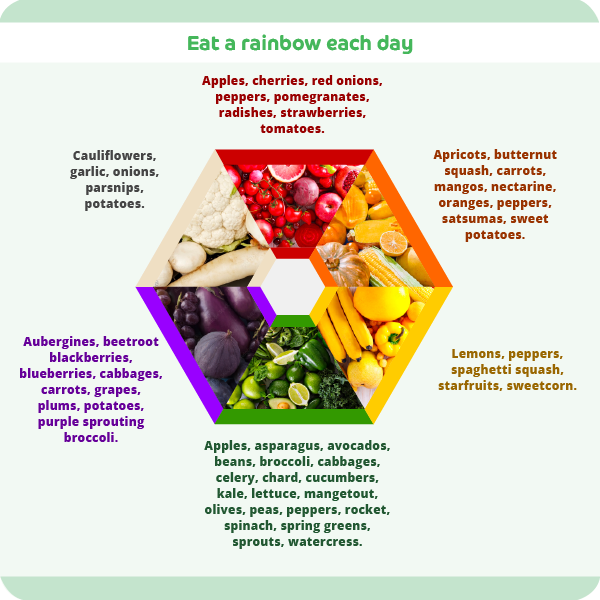
Eat the Rainbow: Include a variety of colorful fruits and vegetables in your meals for a range of nutrients.
-
Don’t Skip Meals: Skipping meals can lead to overeating later. Aim for regular, balanced meals with protein, fiber, and healthy fats.
-
Stay Hydrated: Often, fatigue and cravings are signs of dehydration. Drink enough water throughout the day.
-
Practice the 80/20 Rule: Eat nourishing foods 80% of the time and allow for indulgences the other 20%. This keeps things realistic and enjoyable.
-
Listen to Your Body: Trust your body’s signals instead of following restrictive trends.
Final Thoughts
The Balanced Diet Life isn’t a destination—it’s a flexible, enjoyable journey that adjusts to your needs and goals. It’s about finding what works for you, nourishing your body without guilt, and living a lifestyle that supports your full potential.
Start small, stay consistent, and remember: health is not about perfection—it’s about balance.