In the wellness world, the term detox has become a buzzword. You’ll often see promises of more energy, clearer skin, and rapid weight loss simply by following a “clean eating detox” plan. But how much of this is backed by science, and how much is just clever marketing? In this article, we’ll explore the truth behind clean eating detox programs, separating fact from fiction.
What is a Clean Eating Detox?
A clean eating detox is a short-term eating plan designed to help the body eliminate toxins while nourishing it with nutrient-rich whole foods. It typically involves removing processed foods, refined sugars, unhealthy fats, and artificial additives, while increasing fresh vegetables, fruits, whole grains, and lean proteins.
Unlike juice cleanses or extreme fasting, clean eating detoxes are usually more balanced — focusing on whole, minimally processed foods rather than severe restriction.
The Body’s Natural Detox System
Before we dive into the hype, it’s important to note that your body already has a highly effective detox system — your liver, kidneys, lungs, skin, and digestive tract all work together to process and eliminate toxins every single day.
-
Liver: Filters and breaks down harmful substances.
-
Kidneys: Remove waste through urine.
-
Lungs: Expel carbon dioxide and other airborne toxins.
-
Skin: Releases waste through sweat.
-
Digestive System: Eliminates waste and supports healthy gut bacteria.
The truth is, you don’t need a special detox product to make this happen — your body is already doing it. However, supporting these systems through healthy eating can make them work more efficiently.
The Science-Backed Benefits of Clean Eating Detox
While many detox claims are exaggerated, there is scientific evidence showing that cleaning up your diet can have positive effects:
-
Reduced Inflammation
Processed foods, excess sugar, and trans fats can trigger chronic inflammation in the body. A diet rich in whole foods, vegetables, and healthy fats can help reduce this. -
Improved Digestion
Increasing your intake of fiber from fruits, vegetables, and whole grains can promote regular bowel movements and a healthier gut microbiome. -
Better Energy Levels
Eliminating processed sugar and caffeine overload can help stabilize blood sugar, resulting in more consistent energy throughout the day. -
Weight Management
Cutting out high-calorie junk food and replacing it with nutrient-dense meals can naturally lead to healthier weight control.
Where the Myths Come In
Despite these benefits, many detox programs make claims that are simply not supported by science. Some common myths include:
-
“Detox diets flush toxins from your body.”
Your body’s organs already do this without help from special teas or juices. -
“Detox will cure diseases.”
No scientific evidence supports the idea that detoxing can cure conditions like diabetes, cancer, or autoimmune disorders. -
“The more extreme the detox, the better.”
Overly restrictive detox plans can actually deprive your body of essential nutrients, leading to fatigue, dizziness, and nutrient deficiencies.
A Science-Based Approach to Clean Eating Detox
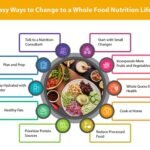
If you want to try a clean eating detox, focus on supporting your body’s natural detox processes rather than trying to “cleanse” it with extreme measures. Here’s how:
-
Eat a Variety of Whole Foods
Include leafy greens, cruciferous vegetables (like broccoli and Brussels sprouts), berries, nuts, seeds, and lean proteins. -
Stay Hydrated
Water is essential for flushing waste products from the body. Aim for 8+ glasses a day. -
Cut Out Processed Foods
Avoid refined sugars, fried foods, and artificial additives. -
Support Your Gut Health
Include probiotic-rich foods like yogurt, kefir, sauerkraut, or kimchi. -
Get Enough Sleep
Sleep is when your body repairs and regenerates — a critical part of detox.
The Bottom Line: Fact AND Fiction
Clean eating detoxes aren’t magic, and they won’t miraculously remove toxins that your body can’t already handle. However, they can help you feel better, improve digestion, boost energy, and reduce inflammation — all because you’re giving your body the nutrients it needs while avoiding harmful processed foods.
The key is to approach detoxing as a reset for better eating habits rather than a quick fix. If you use a clean eating detox as a stepping stone toward long-term healthy living, it can be a valuable tool — just don’t fall for overhyped promises.
✅ Final Tip: Instead of chasing miracle cleanses, focus on consistently eating whole, nutrient-rich foods. That’s the real science-backed way to support your body’s detox systems — today, tomorrow, and for life.