Clean eating isn’t a diet—it’s a lifestyle shift focused on fueling your body with real, nourishing foods. Whether you’re looking to lose weight, boost energy, or simply feel better in your skin, clean eating is a powerful and sustainable way to get there. And the best part? It doesn’t require counting calories or depriving yourself—just making smarter, more natural choices.
What Is Clean Eating?
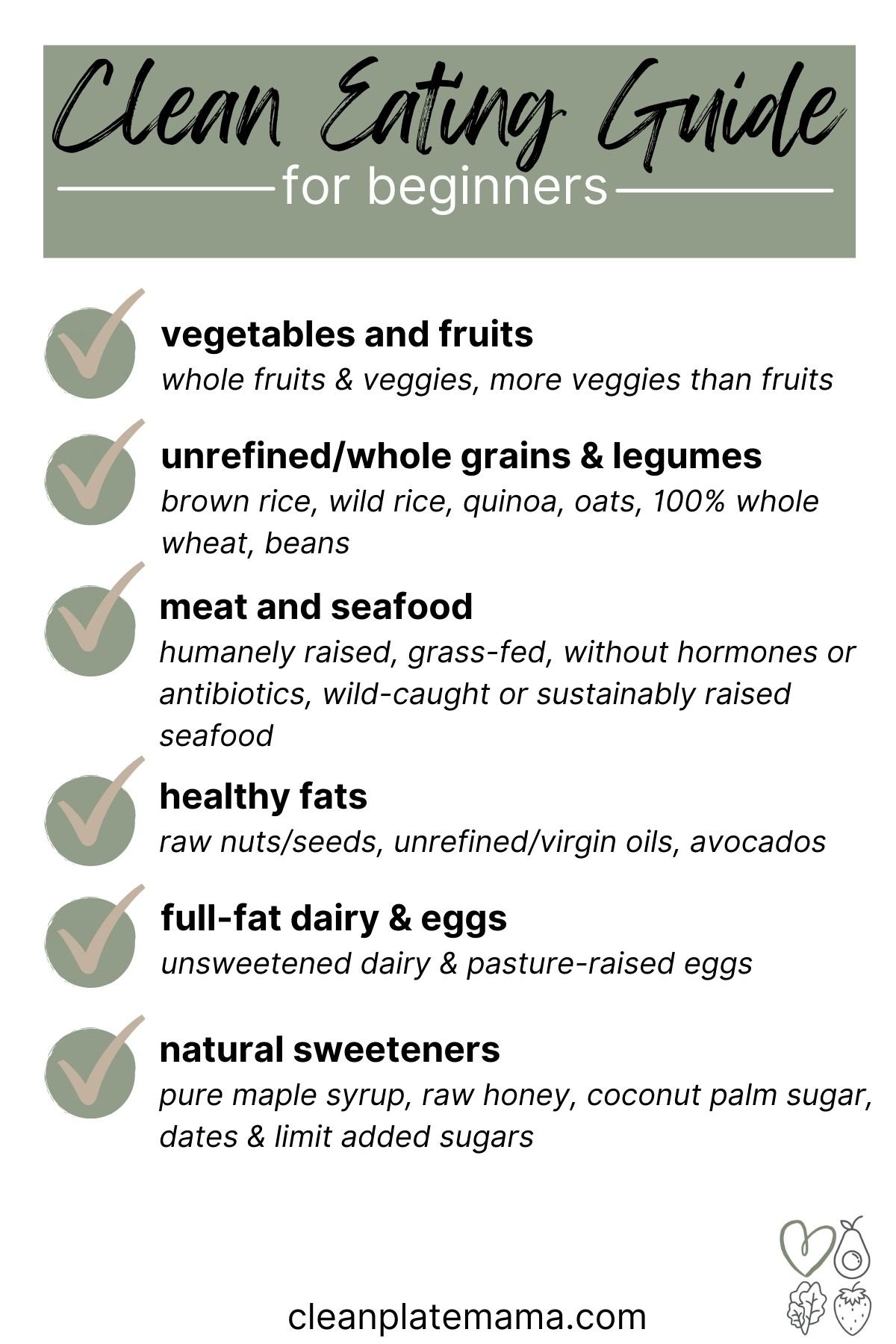
At its core, clean eating means consuming whole, minimally processed foods that are as close to their natural state as possible. This includes:
-
Fruits and vegetables
-
Whole grains like brown rice, oats, and quinoa
-
Lean proteins such as chicken, fish, tofu, and legumes
-
Healthy fats from sources like avocado, nuts, seeds, and olive oil
-
Plenty of water and herbal teas
At the same time, clean eating encourages you to avoid highly processed and artificial foods. That means cutting back on:
-
Refined sugars and flours
-
Packaged snacks with long ingredient lists
-
Artificial sweeteners, flavors, and preservatives
-
Fried and greasy fast food
-
Sugary drinks and sodas
Why Clean Eating Matters
Our bodies thrive when they’re fueled with real food. Clean eating helps you:
-
Improve digestion and reduce bloating
-
Stabilize energy levels throughout the day
-
Sleep better and feel more refreshed
-
Strengthen your immune system
-
Promote healthy weight management
-
Support glowing skin and hair
Plus, when you focus on eating better, your mental clarity and mood often improve, too.
How to Start Clean Eating (Step-by-Step)
1. Clean Out Your Pantry
Get rid of processed junk food, sugary cereals, and high-sodium snacks. Replace them with clean staples like oats, canned beans, nuts, and whole grain pasta.
2. Shop the Perimeter of the Store
Most whole foods are found around the edges of the grocery store—fruits, veggies, meat, dairy, and eggs. Avoid the inner aisles filled with ultra-processed products.
3. Read Ingredient Labels
Stick to foods with short ingredient lists you recognize. If you can’t pronounce it or wouldn’t cook with it at home, skip it.
4. Cook More at Home
Homemade meals give you full control over ingredients and portion sizes. Aim to cook at least 80% of your meals yourself.
5. Stay Hydrated
Drinking plenty of water helps your body flush out toxins and improves digestion. Add lemon, cucumber, or mint for flavor without added sugar.
Common Clean Eating Mistakes to Avoid
-
Being too restrictive: Clean eating isn’t about being perfect. It’s okay to treat yourself in moderation.
-
Not eating enough: Clean eating isn’t a starvation diet. Fuel your body with satisfying, nutrient-dense meals.
-
Relying on “health” marketing: Just because something says “organic” or “gluten-free” doesn’t mean it’s clean. Always check the ingredients.
Final Thoughts
Clean eating is a journey, not a quick fix. Start small—maybe one clean meal a day—and build from there. As you begin to fuel your body with whole foods, you’ll notice the benefits not just in how you look, but in how you feel, move, and live.