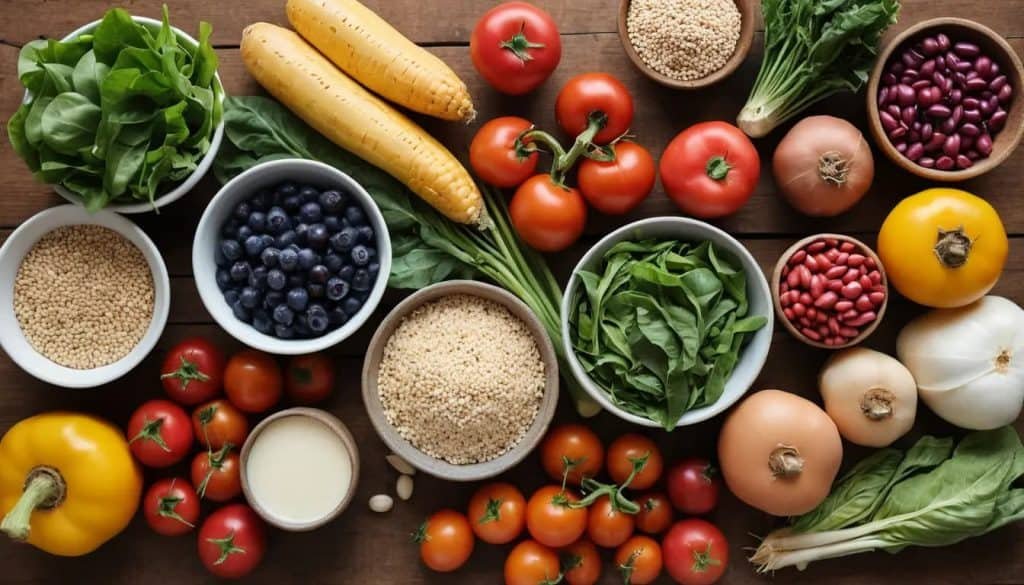
Eating a balanced diet doesn’t have to mean following rigid rules or sticking to the same meals every day. One of the most enjoyable—and sustainable—ways to stay healthy is by building your diet around seasonal and local foods. Not only do these foods tend to be fresher and more flavorful, but they also help you maintain variety in your meals while supporting your local economy and reducing environmental impact.
In this guide, we’ll explore how seasonal and local eating can benefit your health, why it’s important for balance, and practical tips for incorporating these foods into your daily meals.
Why Seasonal and Local Foods Matter for a Balanced Diet
A balanced diet means getting the right mix of macronutrients (proteins, carbs, and fats) and micronutrients (vitamins and minerals) your body needs to function well. Seasonal and local foods naturally support this because:
-
They are fresher and more nutrient-rich
Produce that’s picked at its peak ripeness contains higher levels of vitamins and antioxidants compared to items that have been stored or transported for weeks. -
They encourage variety
Eating different seasonal foods throughout the year ensures you’re getting a wide range of nutrients and flavors. -
They reduce reliance on processed foods
When fresh produce is in abundance, it’s easier to prepare home-cooked meals rather than relying on packaged, nutrient-poor options. -
They’re often more affordable in season
Buying what’s in peak season usually means lower prices, helping you stick to a healthy diet without overspending.
Seasonal Foods by Season
While seasonal availability can vary by location, here’s a general guide:
-
Spring: Asparagus, spinach, strawberries, peas, radishes, fresh herbs
-
Summer: Tomatoes, cucumbers, berries, corn, zucchini, peaches, watermelon
-
Fall: Squash, sweet potatoes, apples, pears, Brussels sprouts, carrots
-
Winter: Citrus fruits, kale, cabbage, leeks, beets, pomegranates
Balancing Your Plate with Seasonal Choices
To create a truly balanced diet using seasonal and local foods, aim to include:
-
A variety of colorful vegetables – Aim for half your plate to be filled with seasonal vegetables for fiber, vitamins, and minerals.
-
Seasonal fruits for natural sweetness – Fruits like berries in summer or citrus in winter make perfect snacks or breakfast additions.
-
Whole grains – Local farmers’ markets often sell fresh whole grain bread, oats, or locally milled flour.
-
Protein sources – If available, choose local free-range eggs, grass-fed meat, or plant-based proteins like legumes and lentils.
-
Healthy fats – Add nuts, seeds, or cold-pressed oils to round out your meals.
Tips for Eating Seasonally and Locally
-
Visit Farmers’ Markets Regularly
Farmers’ markets are the best place to discover what’s in season in your area. You’ll often find foods you wouldn’t see in a supermarket, adding excitement and variety to your meals. -
Join a CSA (Community Supported Agriculture)
With a CSA subscription, you get a box of fresh, seasonal produce from a local farm every week—making it easy to plan meals around what’s available. -
Learn Simple Seasonal Recipes
Adapt a few go-to recipes for each season. For example, in summer, swap spinach for fresh basil in your salads, or in winter, replace zucchini with roasted root vegetables. -
Preserve the Harvest
If you find seasonal items in abundance, preserve them for later. Freezing berries, fermenting vegetables, or making jams can help you enjoy seasonal flavors all year. -
Plan Your Meals Around What’s Fresh
Instead of shopping with a rigid grocery list, see what’s available locally and build your meals from there.
Sample Day of Seasonal Eating
-
Breakfast: Overnight oats topped with fresh summer peaches and a sprinkle of local almonds.
-
Lunch: Salad with mixed greens, cherry tomatoes, cucumbers, and feta cheese, drizzled with olive oil.
-
Snack: Seasonal fruit (like strawberries in spring or apples in fall) with a handful of walnuts.
-
Dinner: Roasted seasonal vegetables with grilled fish and quinoa.
The Balanced Diet Advantage
By eating seasonally and locally, you naturally:
-
Rotate your foods throughout the year, ensuring nutrient diversity.
-
Support your body’s needs—summer fruits hydrate and refresh you in the heat, while winter vegetables like squash and sweet potatoes provide warming energy.
-
Build a stronger connection to your food sources and your community.
Final Thoughts
Balancing your diet with seasonal and local foods is more than just a healthy eating strategy—it’s a lifestyle choice that benefits your body, your community, and the planet. Start by making small changes, such as replacing one weekly grocery trip with a farmers’ market visit or planning two seasonal meals a week. Over time, you’ll notice not only better health but also greater enjoyment in your meals.